
I have very little experience in the corporate world to understand whether burnout is a thing across all working disciplines or limited to the public sector; self employment I can roll with, but surely earning the “big bucks” comes with an element of hard work that requires giving more of your time (and resulting in an obvious financial benefit) – that to me is a choice and can be stopped in its tracks at anytime. Although not always as easy as that in any field of employment I suppose …. Especially if you have commitments that require a certain lifestyle or level of earning to be maintained.
I say that from a place of remuneration deficit; Were I financially secure I may view burnout differently after-all, we all choose to live to, and more often above, our means no matter how little or much we earn. So perhaps the rather sweeping statement above is an unfair assumption of mine. We can all get caught up in the hype and the habit of spending to and over our means, and if you have just the slightest modicum of integrity, you will most likely give your all to any profession no matter what it is and no matter what you earn.
Coupled with raising families, caring for elderly parents, nurturing relationships and friendships, and juggling all that is involved in the grown up world of financial responsibility, coping with the hikes in inflation and cost of living crises, midlife is a very sombre and hectic place to find ourselves in.
Burnout is essentially a combination of physical, emotional and mental exhaustion, that has occurred through chronic stress – over a long period of time stress slowly chips away at the sufferer – to the point that the smallest of issues will effectively become the final straw. Whether work or home related – often both – the end result is the same.
If you have a solid network of friends, a supportive family, a positive relationship with work peers and management, the fall out can be minimal and merely taking a break from the office, or a holiday with relaxation as the priority, will provide perspective and a way forward with which to implement change in order to minimise relapse.
But more often than not, once a person has finally reached burnout point, the result can be catastrophic.
A sense of failure kicks in, onset of illness can occur and overall feelings of hopelessness and helplessness override any rationale; the overarching emotions create an inability to see and think clearly.
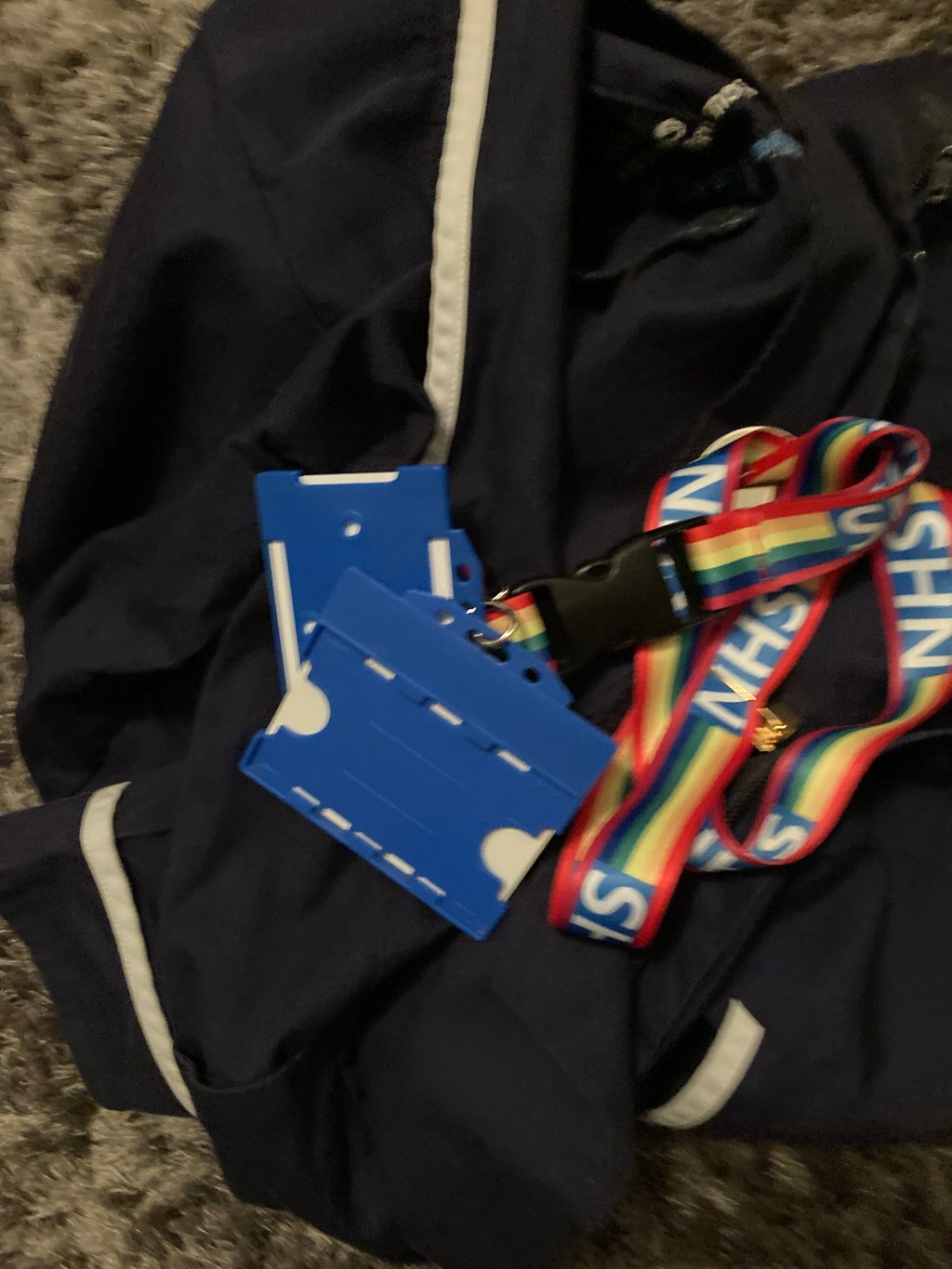
Being all things to all people and prioritising irresponsibly, is the downfall of many an employee, and none more so in the healthcare profession. Long hours are expected, and there is a degree of emotional guilt that is heaped on if the “extra mile” is not forthcoming. That said the guilt trip is not necessarily from the hierarchy; each healthcare professional enters into the field because they care. This is their Achilles heel. The mere thought of leaving patients at risk or colleagues in burdensome shifts is what drives an employee within the NHS to do more.
The problem with this is the individual concerned then feels guilty about work monopolising their time and worry that home or family have been neglected, so they “do more” at home to compensate and find themselves scraping dregs from the already empty cup into anything and everything, apart from themselves.
Don’t pour from the cup they tell us. Unless the cup is overflowing abundantly and only then pour into others cups from what is sloshing in the saucer.
This is easier said than done, but it is a well versed analogy that is simply stating people should fit their own oxygen mask securely before embarking on any kind of help and support for anyone else. Be that people, chores or work.
Recognising burnout is so difficult because if one knew that was the path being walked one would stop doing it.
I have experienced this in recent years and the chronic stress has caused me to feel paranoid, rundown, forgetful and with broken sleep a “norm”, my diet, physical fitness and enjoyment in anything has suffered considerably. A culmination of anger, resentment, poor financial choices, a lowered immune system and an inability to rationalise led me to take sick leave. Both the Employee Health team at work and the GP encouraged this course of action and I have not looked back.
My blood pressure was (pre burnout down time) raised considerably, for me. My cholesterol also raised – I was offered and have refused statins, because I refuse to accept that it can’t be controlled by any other means – yet. I have Microscopic Colitis which is inherently a stress induced disease (aren’t all bowel conditions??). I am overweight – much of which is carried around my middle. And my kidneys are in a bit of a pickle due to dehydration, self medicating with alcohol and too much salt in my erratic diet (I am fairly healthy food wise, but do love a processed savoury snack – who doesn’t??).
What I don’t understand, is why we are so reluctant to acknowledge, accept and tackle the forerunners to burnout, and take a step back, listen to the whispers of our body, and prioritise our own self care over and above towing the party line dictated to by others, be that family, friends, employers or work colleagues?
I am mastering the resolving of burnout. I have not yet, worked out how to completely prevent it from happening in the first place, but will endeavour to try.
In the meantime, I will listen to those invested in my health and wellbeing and do as my GP advised; look at my dietary choices to include more protein, prioritise sleep, incorporate strengthening exercises into my routine and most importantly, do whatever brings me joy.
 The Midlife Nurse
Leave a comment